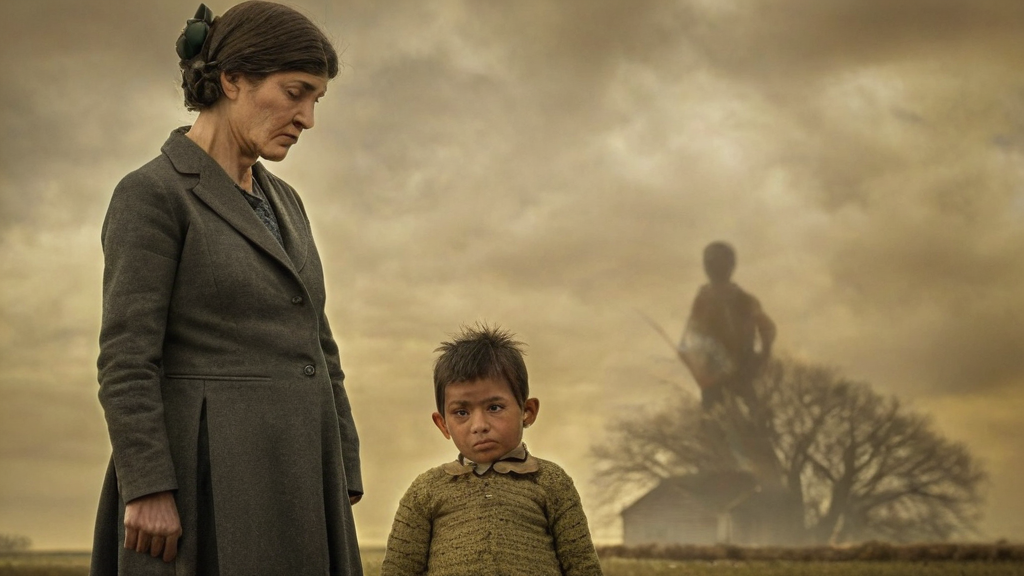
The term "motherless" carries profound emotional weight, often evoking themes of loss, longing, and resilience. For many individuals, the experience of being motherless can shape their identity and worldview. Losing a mother, whether through death, abandonment, or other circumstances, can lead to a unique journey of healing and self-discovery. Understanding this experience is critical, as it often shapes not only personal relationships but also one’s approach to motherhood in the future.
In various cultures, the concept of being motherless can also have societal implications. Individuals who grow up without maternal guidance may encounter challenges that affect their self-esteem, emotional stability, and social interactions. The absence of a mother, particularly in formative years, can evoke feelings of isolation and insecurity. These feelings can be compounded by societal expectations that often glorify the mother-child bond.
Support systems play a crucial role for those who identify as motherless. Communities, friends, and mental health professionals can provide essential support, helping individuals process their emotions and experiences. Creating safe spaces to share their stories can foster healing and promote understanding, allowing individuals to connect with others who share similar struggles.
- Understanding Emotions: Acknowledge feelings of grief, anger, and sadness.
- Building Community: Seek out support groups or networks.
- Adopting Coping Mechanisms: Engage in therapy, writing, or art as outlets.
- Establishing New Bonds: Cultivate relationships that offer maternal-like support.
Ultimately, navigating life as someone who is motherless is a personal journey marked by both challenges and opportunities for growth. Embracing one's story can pave the way for empowerment and resilience, turning a painful past into a source of strength for the future.
{getProduct} $button={Get it Now} $price={In Stock} $free={yes} $icon={gift} $sale={20% Off}